Sleeve Materials
The four coffee sleeve materials we offer are kraft, cardboard, paper and corrugated board, and each one balances heat comfort, grip and print quality in its own way. Kraft gives a natural brown look, cardboard and white paperboard show the brightest color, and corrugated board adds a fluted air layer for hotter drinks. All four sit on the outside of the cup, ship flat, fit standard 8 oz to 20 oz cups and can be printed with your logo.
Showing all 4 results
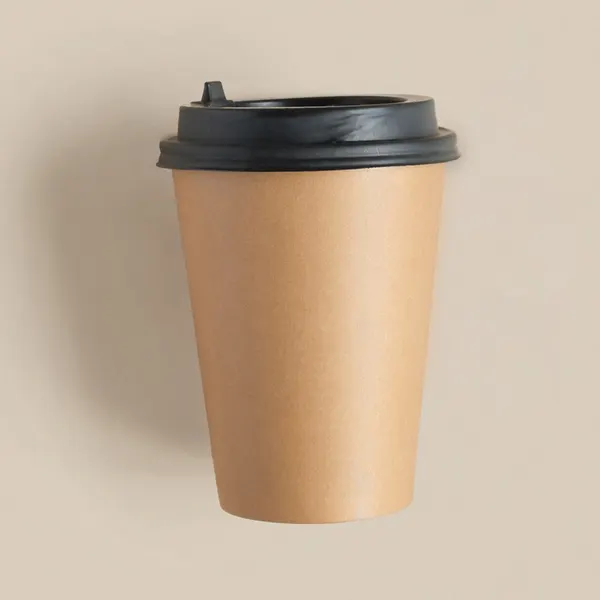

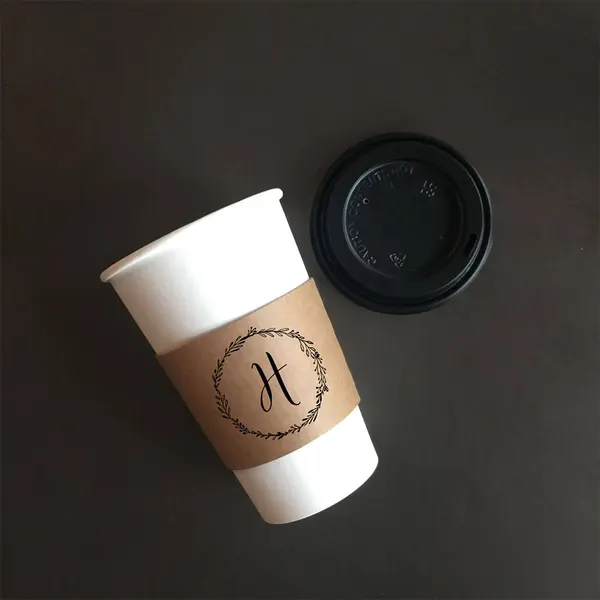
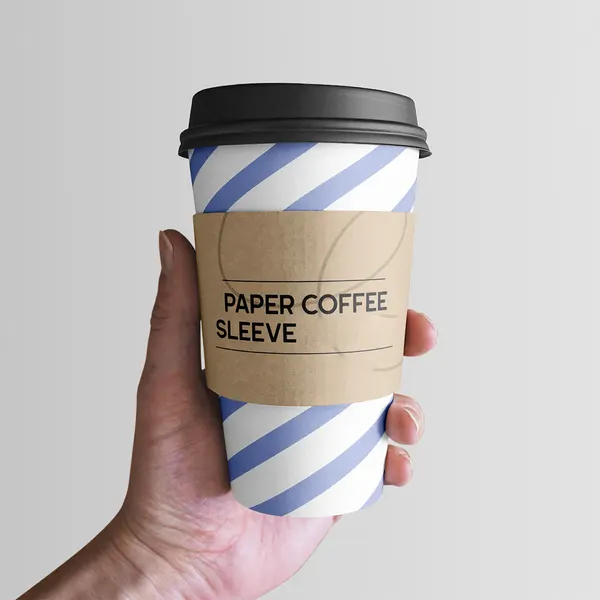
Kraft: A Natural Look With Clean Logo Print
Kraft board has a warm brown color and a slightly textured feel that many customers like for grip. It suits cafes with a minimal or earthy style, and it hides minor scuffs well during daily handling. Logos print cleanly on kraft, although colors look more muted than they do on white board, so bold, simple artwork tends to read best. Kraft is available in standard and heavy weights and in recycled kraft blends, and it is one of our recyclable options. If a natural look matters most, our kraft sleeve material is the place to start. Because kraft is uncoated in its natural form, it is also one of the simplest sleeves to place in paper recycling where local programs accept paperboard.
Cardboard and Paper: Smooth Surfaces for Bright Color
Cardboard and paper sleeves are made from paperboard with a smooth surface, including white board and recycled paperboard. White board gives the brightest, most accurate color and the sharpest small text, which matters when a sleeve carries a detailed logo, drink names or a QR code. Board weights across our sleeves run from roughly 200 to 400 GSM. Heavier cardboard grades, with reinforced fold lines, keep their shape on larger cups and through busy rushes, while lighter paper grades slide on quickly and suit everyday service. Our cardboard sleeve material covers the sturdier end of the range.
- White board: brightest color and sharpest text
- Recycled paperboard: made with recycled content
- Heavier grades: hold shape on larger, hotter cups
- Lighter grades: quick to apply during rush hours
Corrugated: The Most Insulation
Corrugated sleeves have a fluted layer of ridges that traps a thin pocket of air between the cup and the hand. That air gap slows heat transfer more than a flat sleeve, and the ridged surface gives a firmer grip when cups are wet or carried quickly. Corrugated sleeves also hold up well in stacks and dispensers instead of flattening. They are made from kraft, white or recycled paper blends and can be printed with your logo, with simple layouts reading best on the textured surface. Corrugated sleeves take up a little more space in storage than flat sleeves, so plan a bit more shelf room behind the counter. For very hot drinks or long walks, our corrugated sleeve material gives the most comfort.
How to Choose the Right Material
Start with the drinks you serve and how far customers carry them, then weigh the look you want for your brand. A drive-thru or delivery menu benefits from more insulation, while a dine-in counter can focus on print quality and speed. Every material can be printed, finished and sized in the same way, so the choice comes down to feel, look and heat comfort. If you are still unsure after comparing the options below, our paper sleeve material is a versatile everyday choice that can be made in kraft or white board.
- Very hot drinks or long carries: corrugated board
- Bright, full-color branding: white board or cardboard
- Natural, earthy look: kraft
- Fast, everyday counter service: paper sleeves
- Lower waste: recyclable kraft and recycled paperboard, checked against local recycling rules for any coating
Common questions
Which sleeve material keeps hands coolest?
Corrugated board. Its fluted ridges trap a layer of air between the cup and the hand, which slows heat transfer more than a flat sleeve. Double-wall versions of other materials are another option for hot drinks.
What board weights are available?
Our sleeves use board from roughly 200 to 400 GSM depending on the product. Heavier board feels sturdier and suits larger, hotter cups, while lighter board slides on faster during busy service.
Which material suits a natural, earthy brand?
Kraft. Its brown color and light texture give a natural look that pairs well with simple one-color or bold logos, and it hides minor scuffs during daily handling.
Which material shows the brightest artwork?
White board, used for our cardboard and white paper sleeves. Its smooth, bright surface gives the most accurate color and the sharpest small text.
Is corrugated board harder to print on?
Corrugated sleeves print well, but the ridged surface suits bold, simple layouts more than fine detail. Keeping the front panel uncluttered helps the logo stay sharp and readable.
Do all four materials fit the same cup sizes?
Yes. Kraft, cardboard, paper and corrugated sleeves are all made for standard 8 oz, 12 oz, 16 oz and 20 oz cups, and each can be cut to a custom size for specialty cups.
Do corrugated sleeves need more storage space than flat sleeves?
A little. The fluted layer makes corrugated sleeves slightly thicker than flat kraft, cardboard or paper sleeves, so plan a bit more shelf room behind the counter. They still ship flat and stack neatly, and they keep their shape in stacks.
Which material holds up best in dispensers and stacks?
Corrugated board. Its fluted ridges keep their shape in stacks and dispensers instead of flattening, and the textured surface gives a firm grip. Heavier cardboard grades with reinforced fold lines also hold their shape well through busy rushes on larger cups.
Does kraft come in more than one weight?
Yes. Kraft is available in standard and heavy weights and in recycled kraft blends. Heavier kraft feels sturdier on larger, hotter cups, while the standard weight slides on quickly for everyday service. Our team can suggest a weight once we know your cups.
Can every material be printed and finished the same way?
Yes. Kraft, cardboard, paper and corrugated sleeves can all be printed, finished and sized in the same way. The main differences are feel, look and heat comfort, plus color tone, since colors appear warmer and more muted on kraft than on white board.